Senior Design in Aerospace Engineering

Purpose
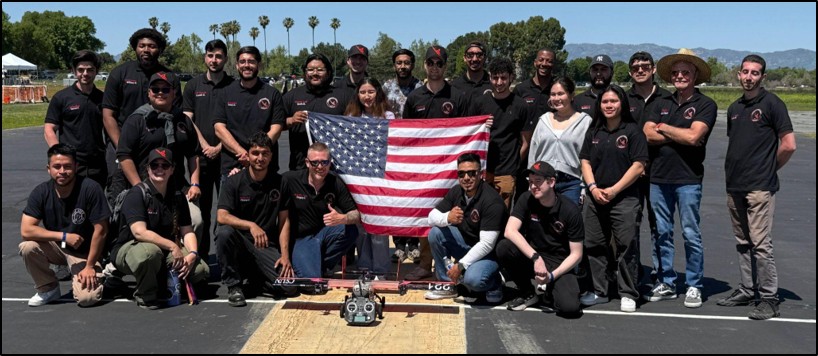
The CSUN Aeronautics Team researches, designs, builds, tests, and iterates remote controlled aircraft to compete in the Society for Automotive Engineers (SAE) yearly international competition. Every year in September, SAE releases their ruleset for the competition in April and each team spends that time designing, building, and testing their work.
What drew me to this project was the opportunity to work on an interdisciplinary team and also for the experience of integrating Machine Learning into a remote controlled aircraft.
Duration
My cohort began our research phase in the summer of 2024 for a competition in April of 2025. We also competed in our university’s Senior Design Project Showcase in May to show off what we had been working on for almost a year.
Contribution
Summer: Researched YOLO and CNNs for target detection.
September: Huge scale down needed. Pivot to researching Pi and Computer Vision for actual requirements of the competition.
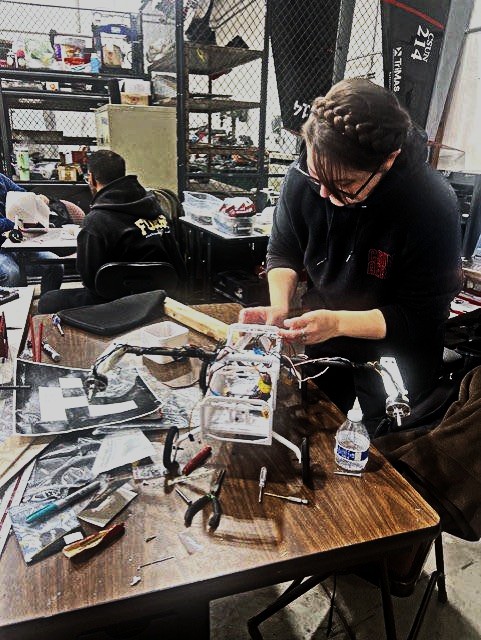
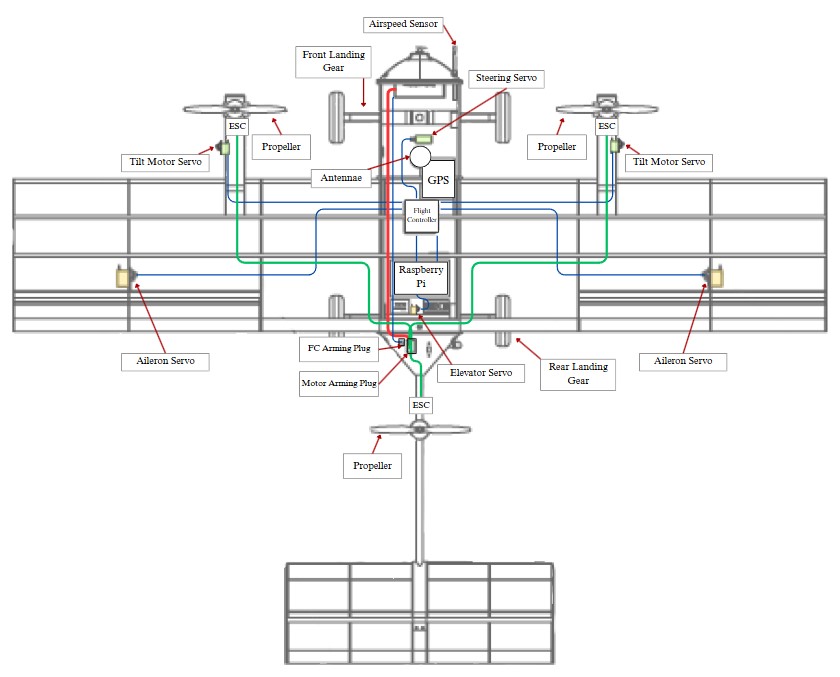
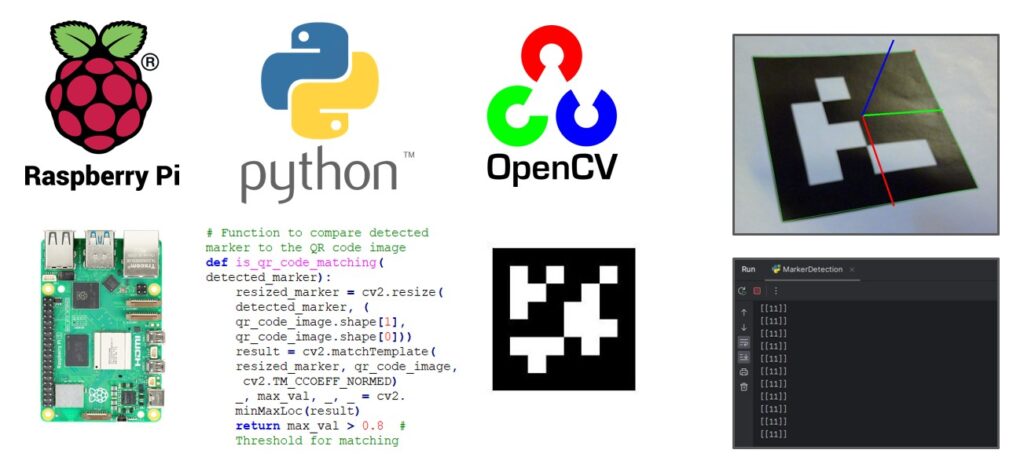
October to January: Coding utilizing OpenCV and a Pi, integrating control surfaces and other avionic components, organizing and keeping flight test records, contributing to technical documents. Assisting as needed on flight days.
February to April: Flight test recorder and created operational workflows for competition. On the days of competition, I was in charge of pre and post flight checks–making sure that each sub-team completed their checks of all components to ensure a safe and successful flight.
April to May: Senior Design Project Showcase presentation to judges and the public. Finalizing documentation for the next year’s team.
Design Process
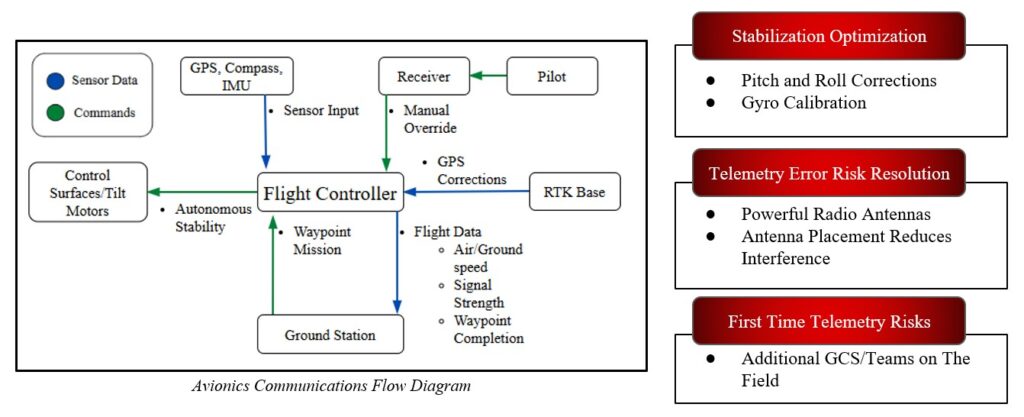
I was a member of the Avionics sub-team and we were responsible for all the components needed to make the plane actually fly and complete its mission.
I started my research with the information from the previous year and began by looking at their use of the YOLO v8 model as well as other possible models that might be a better fit for whatever changes we might be expecting in this year’s ruleset.
SAE was later than usual with the release of their ruleset and when it finally released at the end of September, we were caught off guard and had to pivot quickly. We had been designing and researching for a plane with a 10ft wingspan and no weight limit. Our ruleset stated that our plane and our payload would need to be three and a half pounds. So I immediately had to start researching ML algorithms and other technologies that could be as light as a feather.
I started researching mini processors for target identification and acquisition while leveraging QR codes as the IDs. In my research, I found someone who was using a Raspberry Pi Zero and OpenCV as object detection and partial control for a small RC drone. The Zero weighted around 12 oz which made it an ideal investment in terms of weight to computational power.
In January, I pivoted into project management to ensure flight readiness as we neared competition. I helped with data collection at our weekly test flights as well as contributing to updates and iterative changes that needed to be made to get the team closer to competition ready.
On competition days, I was the Flight Boss and insured that the plane was ready for flight and continued to keep flight records.
For the Senior Design Project Show case, I organized necessary materials and led our display presentation to the judges and attending public.
Visuals
Impact
Since this project spanned a year, there were consistent shifts in responsibilities and expectations of the team. I started my journey researching object detection for a 22 pound plane with a 10 foot wing span and needed to pivot to finding a solution that would work on a 3.5 pound plane; which led me to working with OpenCV on a Raspberry Pi Zero. As competition neared, I needed to pivot again since the Pi was not going to be usable for competition. During competition, I got the honor to ensure that the plane was safe and ready for each flight; checking in with systems leads and ensuring that we were ready when it was our time to fly.
CSUN Aeronautics placed 8th out of 19 teams in the SAE competition and placed first in the oral presentation at the Senior Design Project Showcase.